.avif)
Outdoor Living Costs in Albuquerque: Patios, Landscaping, Shade and More
Outdoor living projects in Albuquerque can range from a focused landscaping refresh to a complete backyard transformation with sod, automatic irrigation, a new patio, shade structure, outdoor kitchen, lighting, drainage, and custom hardscaping.
That wide range of possibilities makes one of the first homeowner questions difficult to answer:
How much does an outdoor living project cost in Albuquerque?
For early planning, a limited landscaping or patio project might cost several thousand dollars, while a complete outdoor living area can reach $50,000 to $100,000 or more. The final price depends on the size of the property, existing conditions, materials, access, utilities, drainage, engineering, permits, and how many individual features are included.
This guide explains the major cost categories so Albuquerque-area homeowners can establish a realistic budget before beginning design or construction.
Typical Outdoor Living Costs in Albuquerque
The following figures are broad 2026 planning ranges rather than fixed prices:
- Focused landscaping refresh: $2,500–$10,000
- Larger xeriscape or landscape renovation: $8,000–$25,000+
- Professionally installed sod: $4–$6+ per square foot
- Underground automatic irrigation: $3,000–$10,000+
- Irrigation additions or modifications: $1,000–$5,000+
- Standard concrete patio: $10–$20 per square foot
- Decorative or stamped concrete patio: $15–$30+ per square foot
- Professionally installed paver patio: $18–$35+ per square foot
- Pergola or open shade structure: $8,000–$30,000+
- Solid-roof patio cover: $20,000–$60,000+
- Outdoor kitchen: $10,000–$50,000+
- Fire pit or fire feature: $1,500–$10,000+
- Landscape lighting: $2,000–$10,000+
- Grading and drainage improvements: $2,500–$15,000+
- Complete outdoor living transformation: $40,000–$100,000+
These ranges are useful for establishing expectations, but they are not substitutes for an onsite evaluation. Two yards of the same size can require very different budgets because of access, demolition, grading, utilities, drainage, soil conditions, irrigation requirements, and the amount of structural work involved.
What Can You Build at Different Budget Levels?
A helpful way to approach an outdoor project is to begin with the total investment you are comfortable making and then prioritize the features that will affect how you use the property.
Approximately $5,000 to $15,000
This budget may support a focused improvement such as:
- A small standard concrete patio
- Sod in a limited lawn area
- Modifications to an existing irrigation system
- Gravel and rock replacement
- Defined planting areas
- Basic xeriscape improvements
- A walkway or garden path
- Minor grading or drainage correction
- A simple fire-pit area
- A limited front-yard curb-appeal project
The scope generally needs to remain concentrated. Trying to divide a modest budget among a patio, sod, landscaping, irrigation, lighting, shade, utilities, and several decorative features can leave every portion undersized or unfinished.
Approximately $15,000 to $35,000
This range may allow for a more substantial project, such as:
- A medium-sized concrete or paver patio
- A broader landscape renovation
- Sod and a new automatic irrigation system
- A pergola or limited shade structure
- Patios combined with planting and gravel areas
- Walkways and defined gathering spaces
- Drainage improvements
- Basic landscape lighting
- A modest outdoor cooking or fire feature
At this level, homeowners can begin combining elements instead of completing only one isolated improvement.
Approximately $35,000 to $75,000
This budget can support a more complete outdoor environment that might include:
- A larger patio
- A substantial shade structure
- An outdoor kitchen
- Sod and underground irrigation
- Custom walls or privacy elements
- Landscape lighting
- Multiple planting zones
- New walkways
- Electrical or plumbing work
- Drainage and grading corrections
Planning becomes particularly important because utilities, irrigation, structures, concrete, sod, and landscaping must be installed in the right sequence.
Approximately $75,000 and Above
Larger outdoor living projects may include:
- An engineered solid-roof patio cover
- Extensive concrete, pavers, or natural stone
- A custom outdoor kitchen
- Fire features
- Retaining or privacy walls
- Major grading and drainage work
- Comprehensive landscaping
- Sod and multizone automatic irrigation
- Lighting and electrical systems
- Plumbing and gas service
- Pool-area integration
- Multiple seating and entertainment zones
Projects at this level should be approached as coordinated residential construction—not as a collection of unrelated landscape purchases.
How Much Does an Albuquerque Concrete Patio Cost?
For early budgeting, homeowners may encounter approximately $10 to $20 per square foot for a standard professionally installed concrete patio. Decorative finishes, complex layouts, difficult access, demolition, added reinforcement, thicker sections, drainage work, staining, stamping, or multiple elevations can push the cost to approximately $15 to $30 per square foot or more.
The visible finish is only one part of the work. A durable patio also depends on:
- Excavation
- Base preparation
- Compaction
- Forming
- Proper slope
- Reinforcement where appropriate
- Control-joint placement
- Concrete placement and finishing
- Curing
- Access for crews and equipment
A low square-foot price may omit work that determines whether the patio performs properly. Our Albuquerque concrete services include patios, walkways, driveways, courtyards, exterior slabs, and related flatwork.
Concrete Patio or Pavers?
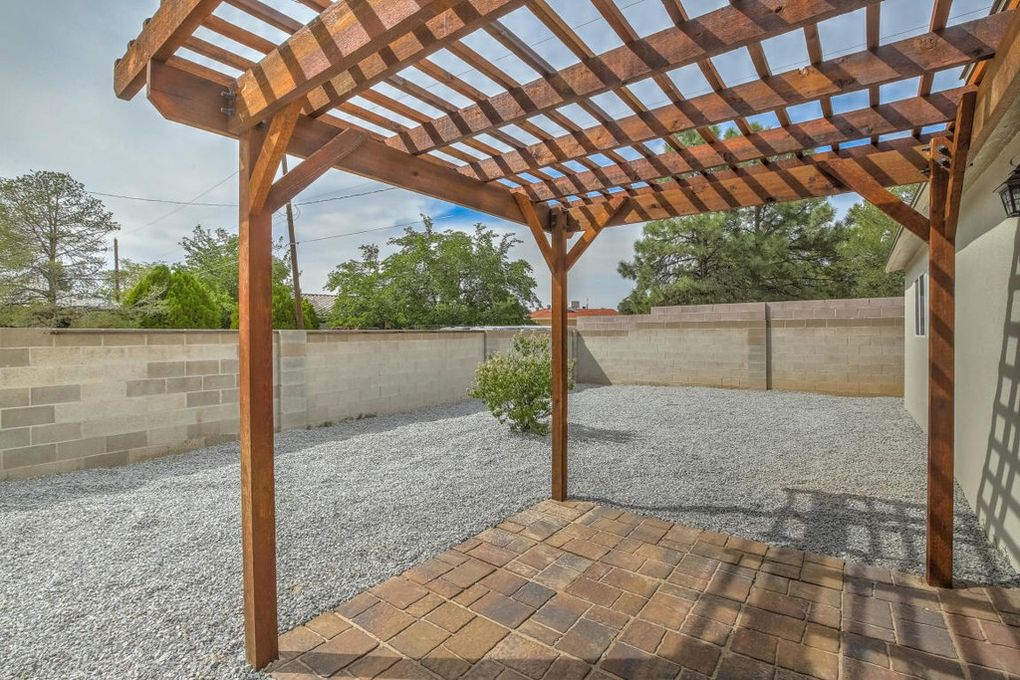
Professionally installed paver patios commonly cost more initially than standard poured concrete. For early planning, a paver patio may fall around $18 to $35 per square foot or more, depending on the paver, excavation, edge restraints, base construction, pattern, cuts, access, and site conditions.
Pavers offer several advantages:
- Individual units can be replaced.
- Repairs can be less conspicuous.
- Different colors and patterns are available.
- The surface can accommodate limited movement more gracefully.
- Utility access may be easier in some locations.
However, pavers still require proper excavation, compacted base material, edge restraint, leveling, joint material, and drainage. Installing expensive pavers over an inadequate base does not create a durable patio.
Concrete generally provides a continuous surface that works well beneath dining furniture, grills, outdoor kitchens, and other concentrated loads. Pavers may offer more design flexibility, but their installed cost and maintenance requirements should be considered.
Our next material-comparison guide will examine concrete and pavers in detail, including when inexpensive 1¼-inch home-improvement-store pavers are sufficient and when heavier loads require a more substantial surface.
How Much Does Landscaping Cost?
Landscaping costs vary more than almost any other outdoor category because “landscaping” can describe a small gravel refresh, new sod and irrigation, or the complete reconstruction of a yard.
A focused project might cost approximately $2,500 to $10,000 and include:
- Gravel or decorative-rock replacement
- Defined planting beds
- Limited plant installation
- Sod installation in a smaller lawn area
- Irrigation repairs or additions
- Edging
- Yard cleanup
- Walkway improvements
- Basic grading
A broader landscape transformation may cost approximately $8,000 to $25,000 or more, particularly when it includes extensive demolition, sod, a new underground irrigation system, mature plants, trees, decorative rock, drainage work, walls, lighting, walkways, or difficult site access.
Landscaping can be completed independently; it does not have to accompany a new patio or outdoor kitchen. Tate Construction Company provides standalone landscaping, sod installation, underground automatic irrigation, xeriscaping, planting, grading, and drainage work as well as complete outdoor living projects. Learn more about our outdoor living and landscaping services.
How Much Does Sod Installation Cost?
Sod provides an immediately finished lawn, but successful installation requires more than placing rolls of grass over the existing ground.
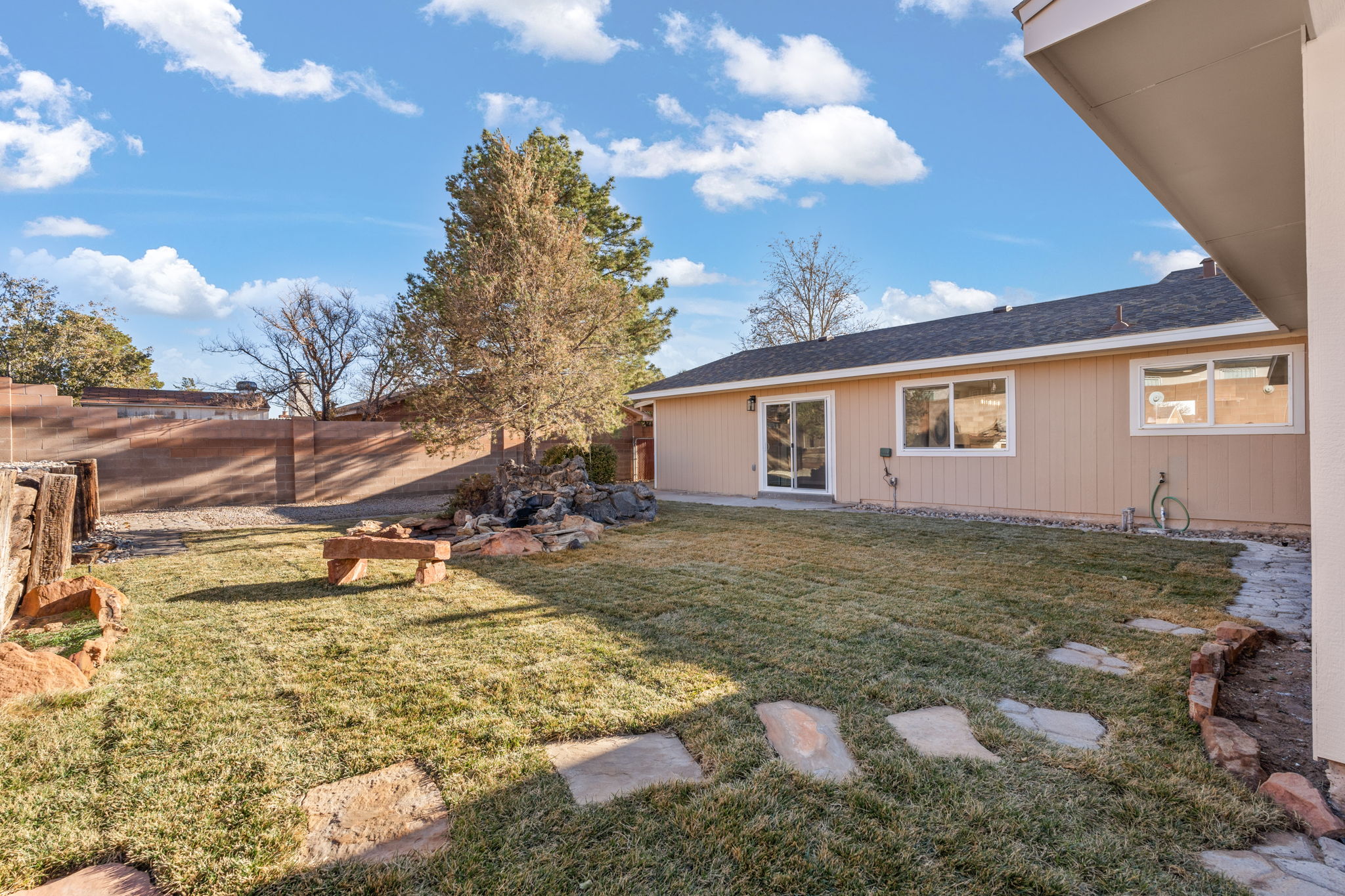
For early budgeting, professionally installed sod may cost approximately $2 to $5 per square foot or more. The total depends on the sod variety, lawn size, access, demolition, soil conditions, grading, imported topsoil, irrigation, and preparation required before installation.
A complete sod project may involve:
- Removing weeds, old grass, rock, or unwanted landscaping
- Rough grading the lawn area
- Correcting drainage problems
- Preparing or amending the soil
- Installing or modifying irrigation
- Fine grading
- Installing the sod
- Rolling and watering the completed lawn
- Establishing an initial watering schedule
Proper preparation is particularly important in Albuquerque, where compacted or poor soil can prevent healthy root development. Installing sod over an uneven, poorly prepared surface may create low spots, drainage problems, inconsistent growth, and premature failure.
The sod variety should also be selected with Albuquerque’s temperature changes, sunlight, irrigation requirements, intended use, and maintenance expectations in mind. A lawn that receives heavy family or pet use may require a different approach from a small decorative lawn.
How Much Does Underground Automatic Irrigation Cost?
A new underground automatic irrigation system may cost approximately $3,000 to $10,000 or more for a typical residential project. Smaller additions or modifications to an existing system may cost approximately $1,000 to $5,000 or more.
The price depends on:
- Property and irrigated-area size
- Number of watering zones
- Available water pressure and flow
- Sprinkler-head type and coverage requirements
- Drip-irrigation zones
- Controller selection
- Valves and valve boxes
- Backflow requirements
- Trenching conditions
- Existing concrete or hardscape
- Access
- Repairs to landscaping after installation
An irrigation system should be divided into zones based on the different watering needs of lawn, trees, shrubs, and planting beds. Sod normally requires spray or rotor coverage, while trees and landscape beds may be better served by separate drip zones. Combining everything on one watering schedule can waste water and make it difficult to maintain healthy plants.
Automatic irrigation is most cost-effective when installed before sod, gravel, planting, or finished hardscaping. Installing it afterward may require disturbing completed surfaces and repairing the landscape.
Smart irrigation controllers can adjust watering based on schedules, weather information, and seasonal needs. Albuquerque Bernalillo County Water Utility Authority offers irrigation-efficiency rebates for certain qualifying equipment, including approved WaterSense smart controllers. Homeowners should verify current products, eligibility, and application requirements before purchasing or installing a controller.
Xeriscaping Is More Than Spreading Gravel
A low-maintenance Albuquerque landscape should not simply replace every living surface with rock.
A well-planned xeriscape can include:
- Low-water trees and shrubs
- Climate-appropriate flowering plants
- Gravel and mulch zones
- Defined paths
- Efficient drip irrigation
- Soil preparation
- Shade
- Drainage
- Areas of visual variation
- Appropriate spacing for mature plant growth
Removing all vegetation can increase reflected heat and make a yard less comfortable. The better objective is usually to reduce water demand and maintenance while retaining enough planting and shade to make the property attractive and usable.
Albuquerque Bernalillo County Water Utility Authority offers a desert-friendly xeriscape conversion rebate, but homeowners must apply and receive a Notice to Proceed before beginning eligible turf removal. Current eligibility and program requirements should be verified directly with the Water Authority before construction begins.
Sod and xeriscaping do not have to be all-or-nothing choices. Some homeowners prefer a limited lawn area for children, pets, recreation, or visual relief while using low-water landscaping throughout the remainder of the property. Separate irrigation zones allow each part of the yard to receive the amount of water it actually needs.
How Much Does a Pergola Cost?
A professionally constructed pergola or open shade structure may cost approximately $8,000 to $30,000 or more.
Price is affected by:
- Overall dimensions
- Wood, steel, aluminum, or composite materials
- Freestanding versus attached construction
- Footings and foundations
- Engineering
- Roof or louver configuration
- Electrical work
- Lighting or fans
- Stain, paint, or finish
- Site access
- Existing patio conditions
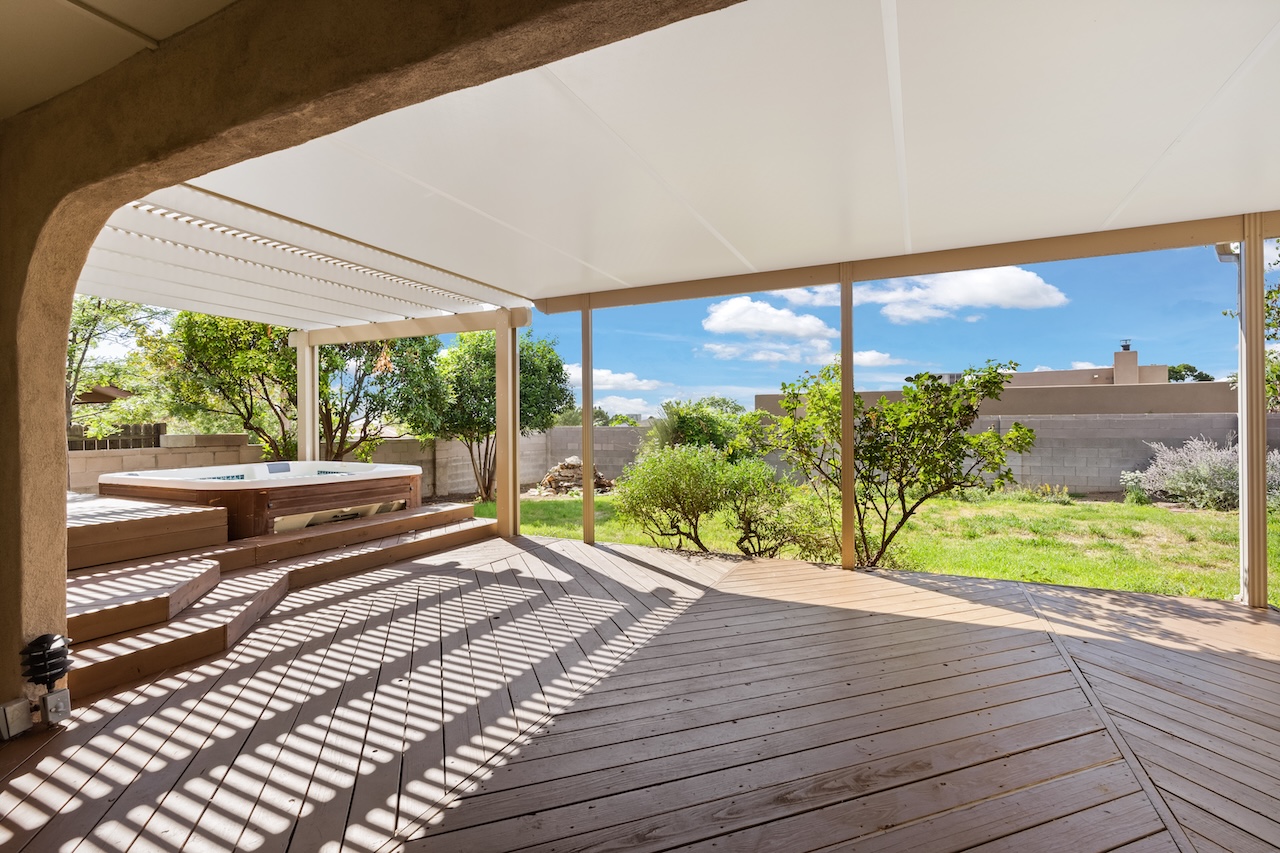
A basic open pergola provides partial shade. It should not be priced or expected to perform like a solid-roof patio cover that must manage rainwater and connect properly to the home.
How Much Does a Solid Patio Cover Cost?
A permanent solid-roof patio cover may cost approximately $20,000 to $60,000 or more, depending on its size and design.
This work may involve:
- Structural engineering
- Building permits
- Concrete footings
- Columns and beams
- Roof framing
- Roofing materials
- Flashing at the house
- Stucco or exterior finish work
- Drainage
- Gutters or canales
- Electrical service
- Lighting and fans
- Ceiling finishes
- Painting
The City of Albuquerque identifies patio covers and porches among the types of projects that generally require permits. HOA approval may also be required before submitting for a city permit.
A patio cover attached to the home should be evaluated as part of the building. Improper roof connections, flashing, drainage, or footings can create water intrusion and structural problems that cost more to correct later.
How Much Does an Outdoor Kitchen Cost?
Outdoor kitchens vary from a grill with a small preparation counter to a fully equipped kitchen with custom masonry, cabinets, refrigeration, plumbing, electrical service, gas, lighting, and a roof structure.
General planning ranges include:
- Basic cooking and preparation area: $10,000–$20,000
- Midrange built-in outdoor kitchen: $20,000–$40,000
- Larger custom outdoor kitchen: $40,000–$50,000 or more
The appliances are only part of the cost. Homeowners should also budget for:
- A properly supported foundation
- Weather-resistant cabinets
- Countertops
- Utility connections
- Electrical outlets
- Lighting
- Plumbing and drainage
- Gas service
- Ventilation when located beneath a structure
- Permits and inspections
- Protection from sun, wind, and weather
Locating the outdoor kitchen near existing utilities can sometimes reduce construction costs. Moving water, waste, electrical, or gas service across a large property can add significantly to the project.

Fire Pits and Outdoor Fireplaces
A simple freestanding fire feature costs far less than a permanent masonry fireplace.
General planning ranges include:
- Basic permanent fire-pit area: $1,500–$5,000
- Custom gas fire pit: $4,000–$10,000+
- Masonry outdoor fireplace: $8,000–$25,000+
Gas service, masonry, foundations, clearances, wind exposure, nearby structures, and local requirements can all affect the scope.
Fire features should be placed where they can be used safely without creating conflicts with shade structures, vegetation, irrigation, furniture, property lines, or traffic paths.
Landscape Lighting and Electrical Work
A modest landscape-lighting installation may cost approximately $2,000 to $5,000, while larger systems with architectural lighting, pathway lights, outdoor receptacles, pergola lighting, fans, controls, and multiple zones may cost $5,000 to $10,000 or more.
Electrical planning should happen before patios and finished landscaping are installed. Adding underground conduit after concrete, pavers, sod, irrigation, or decorative landscaping has been completed can require avoidable demolition and repair.
Even if lighting, a hot tub, or an outdoor kitchen will be installed later, planning sleeves and utility routes during the initial project can make future improvements easier.
Why Drainage Can Change the Budget
Drainage is one of the most important—and most frequently underestimated—parts of an Albuquerque outdoor project.
Our dry climate does not eliminate drainage problems. Monsoon storms can place a substantial amount of water on roofs, patios, courtyards, lawns, and compacted landscape areas in a short time.
Poor drainage can:
- Direct water toward the foundation
- Damage stucco
- Create erosion
- Undermine concrete
- Wash out gravel
- Leave standing water
- Create low areas in sod
- Flood planting beds
- Carry sediment onto patios and walkways
- Damage neighboring property
Minor grading may be incorporated into a landscape project. More involved work involving drains, swales, channel drains, retaining conditions, concrete removal, or major elevation correction may cost approximately $2,500 to $15,000 or more.
Drainage should be evaluated before selecting the patio elevation, irrigation layout, sod area, or final landscape design.
What Factors Increase Outdoor Living Costs?
Demolition and removal
Removing old concrete, pavers, walls, landscaping, irrigation, tree roots, sod, rock, or buried materials adds labor, equipment, hauling, and disposal costs.
Difficult access
A backyard that cannot be reached by equipment requires more manual labor. Narrow gates, steep grades, occupied homes, walls, and protected finished surfaces can all affect production.
Grading and soil conditions
The site may require excavation, imported base material, topsoil, soil amendments, compaction, retaining work, or drainage correction before visible improvements begin.
Irrigation
New sod and planting areas may require an entirely new automatic irrigation system. Existing irrigation may need to be relocated, separated into additional zones, repaired, or updated with a new controller.
Utilities
Outdoor kitchens, lighting, irrigation, gas fire features, fountains, hot tubs, and fans may require electrical, plumbing, gas, water, or drainage work.
Structural and permit requirements
Attached patio covers, solid roofs, walls, outdoor kitchens, electrical work, plumbing, and gas service may require design, engineering, permits, and inspections.
Material selections
Standard concrete, stamped concrete, premium pavers, natural stone, steel structures, custom masonry, high-end appliances, mature plants, sod varieties, and specialized lighting carry very different costs.
Project size
Larger projects cost more overall, but very small projects can cost more per square foot because mobilization, equipment, delivery, setup, and minimum labor requirements are spread across less area.
Changes after construction begins
Adding features after concrete, irrigation, utilities, sod, or landscaping have been installed can create rework. Decisions about future shade, lighting, outdoor kitchens, hot tubs, irrigation, and drainage should be made as early as possible.
Where Should You Spend the Budget First?
A sensible priority order is:
- Correct drainage and grading.
- Establish safe access and circulation.
- Install underground utilities, irrigation, and future sleeves.
- Build structural elements and permanent surfaces.
- Add shade.
- Complete planting, sod, gravel, and final landscaping.
- Install lighting and finish details.
- Add movable furnishings and accessories.
This order protects the work already completed. Installing sod, plants, gravel, or decorative landscaping before excavation, concrete, drainage, irrigation, or utility work usually leads to unnecessary damage and replacement.
Can an Outdoor Project Add Home Value?
Outdoor improvements can add meaningful value when they make the property more usable, attractive, and easier to maintain.
The strongest projects generally solve real problems:
- A yard without usable gathering space
- Excessive sun exposure
- Poor access
- High landscape maintenance
- No functional lawn area
- Inefficient or unreliable irrigation
- Failing concrete
- Drainage problems
- Limited privacy
- An unfinished backyard
- Weak curb appeal
The goal should not be to install every possible feature. A well-proportioned patio with useful shade, healthy landscaping, and properly planned irrigation may create more value than a larger project that does not fit the home or neighborhood.
For a broader discussion, read Which Home Improvement Projects Add the Most Value in Albuquerque?.
How to Establish a Realistic Outdoor-Living Budget
Before contacting a contractor, homeowners should consider:
- How the space will be used
- How many people it should accommodate
- Whether a lawn area is needed
- Which improvements are essential
- Which features could be added later
- Whether permanent shade is needed
- Whether cooking, gas, water, or electricity is required
- Whether a new irrigation system is needed
- The desired maintenance level
- Existing drainage problems
- The approximate investment range
- Whether HOA approval may be required
A clear budget does not prevent thoughtful design. It helps the contractor direct the design toward solutions that can realistically be built.
Plan an Outdoor Living or Landscaping Project
A successful outdoor project should improve more than appearance. It should create a property that drains correctly, handles Albuquerque’s climate, uses water thoughtfully, requires an appropriate level of maintenance, and supports the way the homeowner wants to use the space.
Tate Construction Company provides landscaping, sod installation, underground automatic irrigation, xeriscaping, concrete patios, walkways, hardscaping, drainage improvements, shade structures, outdoor kitchens, fire features, and complete outdoor living construction throughout Albuquerque, Rio Rancho, Corrales, Placitas, Bernalillo, and surrounding communities.
Whether you need standalone landscaping, a new lawn and irrigation system, or a complete backyard transformation, we can evaluate the property, identify the work involved, and develop a project-specific scope.
Contact Tate Construction Company to schedule an outdoor living or landscaping consultation.