.avif)
Low-Maintenance Landscaping for Albuquerque Homes
A low-maintenance Albuquerque yard is not necessarily a yard with no plants, no irrigation, and nothing but gravel.
The most successful landscapes combine climate-appropriate plants, intentional hardscape, efficient irrigation, practical drainage, and enough shade and greenery to make the property comfortable. The goal is to reduce unnecessary water use and repetitive work without creating an exterior that feels unfinished or barren.
A landscape can appear simple while still requiring careful planning. Gravel installed without preparation can fill with weeds and sediment. Plants placed without considering their mature size can obstruct walkways or damage nearby surfaces. Drip irrigation can waste water when emitters are poorly selected or forgotten as plants grow. Artificially low areas can collect stormwater beside the house.
For Albuquerque homeowners, low maintenance begins with designing the yard as a complete system rather than selecting individual products one at a time.
Start With How You Want to Use the Property
Before choosing plants, rock, sod, or concrete, decide what the yard needs to accomplish.
A front yard may primarily need to improve curb appeal, define the entry, and remain presentable with limited weekly care. A backyard may need room for children, pets, dining, shade, gardening, or entertaining. Side yards often need durable access, drainage, equipment space, or an unobstructed route between the front and back of the property.
Maintenance priorities also differ. One homeowner may want to minimize irrigation and seasonal trimming, while another is willing to maintain a small lawn but wants the rest of the property simplified.
These decisions should guide the layout. Installing attractive materials without first defining circulation, shade, planting, irrigation, and drainage can create a yard that looks finished but does not work well.
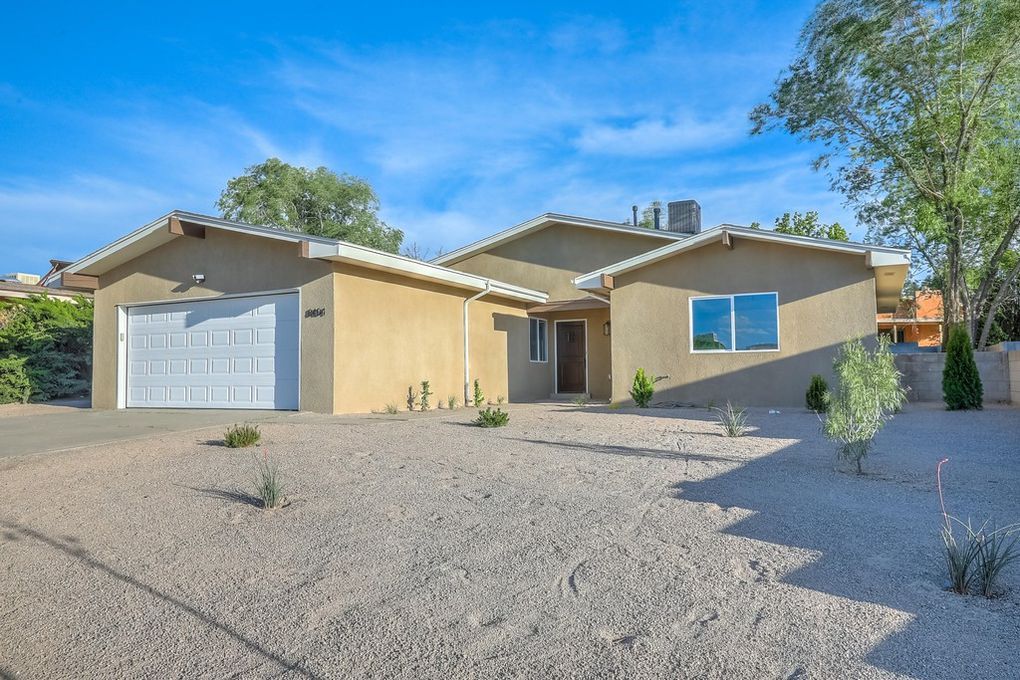
Xeriscaping Is More Than Covering the Yard With Gravel
Xeriscaping is a landscape-planning approach that reduces unnecessary water consumption. It is not a specific visual style, and it does not require eliminating vegetation.
A well-designed xeriscape may include native or drought-tolerant plants, efficient irrigation, carefully sized planting zones, mulch or gravel, improved soil where appropriate, and hardscape that organizes how people move through the property.
The plants should be grouped according to water and exposure needs. A plant that prefers afternoon protection should not be placed against a west-facing wall simply because the location is visually empty. Likewise, species that require regular moisture should not share an irrigation zone with plants that thrive under much drier conditions.
Planting too densely may create immediate visual impact, but it can also increase pruning, crowd walkways, obstruct irrigation, and produce a maintenance problem as the landscape matures. Spacing plants according to their expected adult size usually creates a better long-term result, even if the yard initially looks less full.
Gravel and Rock Still Require Proper Preparation
Gravel is common in Albuquerque because it uses no irrigation, fits the regional landscape, and can cover large areas economically. It is useful, but it is not maintenance-free.
Windblown soil, decomposed organic material, leaves, and runoff gradually settle between the stones. Weed seeds can germinate in that material even when landscape fabric exists below the gravel. Fabric can reduce some weed growth, but it does not permanently eliminate it.
Preparation makes a substantial difference. Existing weeds and unwanted vegetation should be addressed, grades should be corrected, edges should be defined, and an appropriate depth of material should be installed. Thin gravel coverage tends to expose the ground, move easily, and look worn more quickly.
Material selection also matters. Very small or lightweight rock may migrate into walkways and streets. Larger material can be difficult to walk across or maintain. Gravel placed against stucco can trap debris, interfere with inspection, and contribute to moisture or finish problems when the grade is too high.
A successful rock landscape uses the material intentionally, with defined transitions around walkways, planting beds, concrete, and the foundation.
Native and Climate-Appropriate Plants Reduce Routine Work
Plants adapted to Albuquerque’s sun, temperature swings, elevation, and limited rainfall generally require less intervention than species suited to wetter or milder climates.
That does not mean every drought-tolerant plant will thrive anywhere on the property. Sun exposure, reflected heat, wind, soil, irrigation, elevation, and microclimates created by walls all influence performance.
A south- or west-facing wall may expose plants to extreme heat. A protected courtyard may retain warmth but receive limited airflow. Roof runoff can create a temporary high-moisture area in an otherwise dry yard. Cold air may settle in low portions of the property.
Choosing plants for the actual conditions reduces replacement, pruning, irrigation adjustments, and ongoing troubleshooting. A smaller number of well-selected plants often performs better than a crowded assortment chosen primarily for its appearance at the nursery.
Sod Can Be Part of a Low-Maintenance Landscape
Sod is sometimes treated as incompatible with water-conscious landscaping, but a carefully sized lawn can serve a useful purpose.
Grass may provide a cooler and softer surface for children, pets, recreation, or a small outdoor gathering area. It can also reduce dust and create visual relief within a predominantly gravel or hardscape landscape.
The key is to use sod where it will be used—not as automatic coverage for every open area.
A compact, regularly shaped lawn is generally easier to irrigate and mow than narrow strips, small isolated patches, or grass wrapped around trees and hardscape. Irregular lawn edges can create overspray, dry spots, and difficult mowing conditions. Grass planted on steep slopes or in narrow side yards may consume water without providing meaningful use.
Sod installation requires more than placing rolls over the existing ground. The area should be cleared, graded, and prepared so the finished elevation works with walkways, patios, drainage, and sprinkler coverage. Soil conditions may need improvement, and irrigation should be tested before the sod is installed.
New sod needs consistent watering while roots become established. Once established, the schedule should be adjusted to encourage deeper rooting rather than maintaining the frequent shallow watering used during installation.

Automatic Underground Irrigation Can Reduce Work and Waste
An underground automatic irrigation system can make landscape maintenance considerably easier, but only when the system is designed around the planting plan.
Turf and drought-tolerant planting beds should generally be separated because they require different watering methods and schedules. Spray or rotary irrigation may be appropriate for a properly shaped lawn, while trees, shrubs, and planting beds are often better served by drip irrigation.
Zones should also account for sun exposure, slope, soil, and plant water needs. Plants in full afternoon sun may require a different schedule from similar plants in a protected courtyard. Combining those areas on one zone can result in overwatering one section to keep another alive.
Automatic irrigation is not a set-it-and-forget-it feature. Schedules should change seasonally, emitters should be checked for clogging or damage, and sprinkler heads should be adjusted to prevent watering walls, fences, streets, and patios. Plants also need different amounts of water as they become established.
Smart controllers and properly configured schedules can improve efficiency, but the system still needs occasional inspection. A hidden underground leak, broken drip line, or buried emitter can waste water and saturate soil without being immediately visible.
Tate Construction Company installs new underground automatic irrigation systems and can modify existing systems as part of standalone landscaping work or a larger outdoor project.
Drainage Must Be Planned Before Finishes Are Installed
Low maintenance is difficult to achieve when water moves in the wrong direction.
Albuquerque storms can produce heavy runoff in a short period. Roof drainage, canales, downspouts, neighboring grades, walls, walkways, and patios can concentrate water in areas that normally appear dry.
New gravel or planting does not correct an underlying drainage problem. In some cases, it can conceal it until erosion, standing water, stucco damage, or soil movement becomes visible.
Grades should move water away from the home while respecting neighboring properties and appropriate discharge locations. Concrete and paver surfaces should also direct water intentionally. Irrigation should not repeatedly saturate the soil beside foundations, walls, or slabs.
Drainage is especially important when landscaping is combined with a new patio, walkway, retaining feature, sod area, or irrigation system. The finished elevations should be planned together before construction begins.
Hardscape Can Reduce Maintenance and Improve Use
Concrete patios, paver areas, walkways, courtyards, gravel paths, edging, and defined planting beds can reduce the amount of yard requiring ongoing care. Hardscape also organizes the property and provides durable routes between gates, patios, entries, equipment, and outdoor gathering areas.
Adding more hardscape is not automatically better. Large unshaded paved areas can become extremely hot, increase reflected heat, and make the yard uncomfortable during summer. Impervious surfaces can also change drainage patterns.
The layout should balance usable surfaces with planting, shade, drainage, and the scale of the home. A walkway should lead somewhere useful. A patio should be large enough for its intended furniture without consuming the entire yard. Planting areas should be accessible for maintenance without creating awkward strips that are difficult to irrigate.
Homeowners comparing patio materials can read Concrete Patio vs. Pavers: Which Makes More Sense for Albuquerque Homes?. Our Albuquerque concrete services page also explains our work with patios, walkways, driveways, courtyards, and related flatwork.
Shade Can Make an Albuquerque Yard More Usable
A patio that receives direct afternoon sun may technically provide outdoor space but remain uncomfortable during the hours homeowners are most likely to use it.
Shade structures, pergolas, solid-roof patio covers, strategically placed trees, and the orientation of seating areas all influence comfort. Each solution has different cost, maintenance, structural, irrigation, and permitting considerations.
Trees provide natural shade and can soften hardscape, but their mature size, root system, water requirements, leaf litter, and proximity to buildings must be considered. Pergolas can provide partial shade while maintaining an open appearance. Solid-roof covers provide more complete protection but generally require a more involved structure and careful coordination with the home.
Shade should be addressed early in the planning process. Adding a structure after patios, irrigation, lighting, and landscaping are complete may require disturbing finished work.
Weed Control Begins With Design
No exterior landscape can be guaranteed to remain weed-free. Wind, birds, animals, runoff, and imported materials all introduce seeds.
A lower-maintenance design can reduce the places where weeds thrive. Proper material depth, defined edges, efficient irrigation, healthy plants, and avoiding unnecessary overspray all help. Irrigation leaks and poorly aimed sprinklers frequently support weed growth in areas that were intended to remain dry.
Weeds are generally easier to manage when they are addressed early. Allowing them to mature and release seed increases future work, regardless of whether landscape fabric was installed.
Landscape fabric can be useful under some gravel applications, but it should not be presented as a permanent solution. Sediment will eventually accumulate above it, and future planting or irrigation repairs may require cutting through it.
Avoid Creating Too Many Small Landscape Zones
A yard becomes harder to maintain when it contains numerous isolated beds, narrow grass strips, awkward corners, and several different surface materials without a clear structure.
Every transition creates an edge to maintain. Every small irrigation area requires coverage. Every disconnected planting zone complicates scheduling and access.
Simplifying the layout usually reduces work. Larger, clearly defined areas are easier to irrigate, clean, mow, replenish, and repair. Repeating a limited palette of plants and materials can also make the property feel more cohesive.
Low maintenance is often achieved through restraint rather than by adding another product or feature.
Plan Utilities Before Completing the Yard
Outdoor kitchens, lighting, irrigation, fountains, fire features, hot tubs, and future structures may require water, gas, drainage, or electrical service.
Installing those elements after concrete, pavers, sod, and mature landscaping are in place can require cutting or disturbing completed work. Even if a feature will not be built immediately, planning an empty conduit, sleeve, irrigation capacity, or utility route may preserve future options.
It is also important to know where existing utilities run before grading, trenching, planting trees, or installing irrigation. Utility planning is one of the less visible parts of a successful landscaping project, but it can prevent expensive changes later.
What Makes a Landscape Truly Low Maintenance?
The lowest-maintenance landscape is not necessarily the one with the fewest living elements. It is the one in which every component has a clear purpose and fits its location.
Plants should be suited to the climate and given room to mature. Sod should be limited to areas where it provides genuine use. Irrigation should match the plants and be divided into practical zones. Gravel should have adequate preparation and defined edges. Hardscape should improve access and outdoor function without creating excessive heat or drainage problems.
Most importantly, the yard should reflect the homeowner’s actual tolerance for maintenance. A landscape requiring regular pruning, seasonal planting, detailed irrigation adjustments, and a large lawn may be enjoyable for one homeowner and burdensome for another.
A realistic plan considers both how the yard should look and who will care for it after construction is complete.
Plan Your Albuquerque Landscaping Project
Tate Construction Company provides standalone landscaping as well as complete outdoor living improvements throughout Albuquerque, Rio Rancho, Corrales, Placitas, Bernalillo, and surrounding communities.
Our landscaping work can include sod, underground automatic irrigation, gravel and rock areas, planting zones, grading, drainage improvements, walkways, patios, hardscape, shade features, and broader outdoor transformations.
Learn more about our outdoor living and landscaping services, or review our Outdoor Living Costs in Albuquerque guide for broad planning ranges.
Contact Tate Construction Company to discuss your landscaping or outdoor living project.